




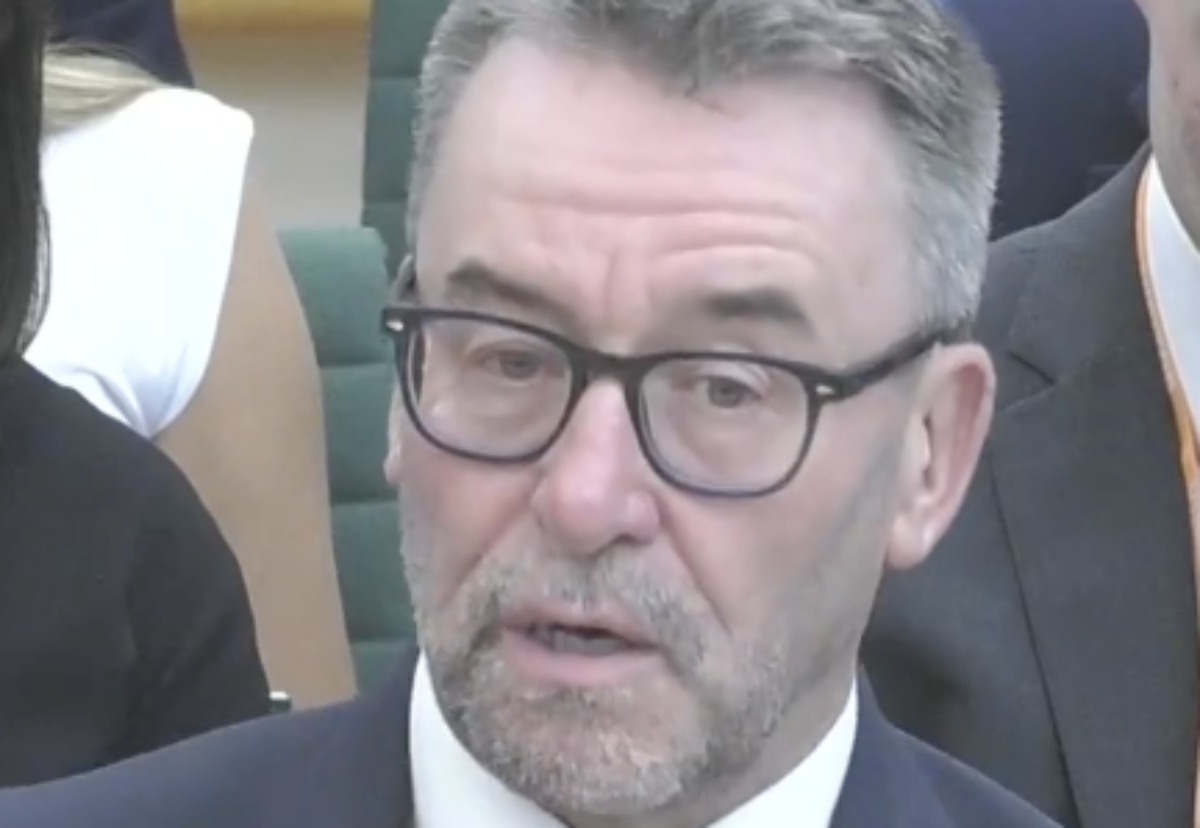
Wild told watchdog MPs yesterday that talks with Balfour Beatty Vinci and Skanska Costain Strabag JVs should be wrapped up within the next two months, clearing one of the biggest hurdles in the troubled project’s wider reset.
BBV is delivering 90km of route through the West Midlands, while SCS is building the 21km London tunnels from West Ruislip to Euston.

Appearing before the Public Accounts Committee, Wild cautioned that renegotiation was no silver bullet but said tougher incentives would put contractors under fresh pressure to control costs and finish work faster.
HS2 last month struck revised agreements with its other two main work civils contractors, EKFB (Eiffage, Kier, Ferrovial Construction and BAM Nuttall) and Align (Bouygues, Sir Robert McAlpine, and VolkerFitzpatrick).
EKFB is delivering 80km between the Chiltern Tunnel north portal and Long Itchington Wood, while Align is responsible for 24km including the Colne Valley Viaduct and Chiltern Tunnel.
The revised deals stop short of ripping up the original reimbursable contracts but introduce new payment incentives tied to efficiency, cost control and programme.

Wild said the original arrangements had pushed too much risk back onto HS2 because designs were not sufficiently developed when contracts were let.
“The contracts we have reintroduced do not fix that problem, but they certainly reintroduce tension where everybody is incentivised to minimise public money and to complete the job as quickly and safely at the right quality.
“They’re not the most optimum if you were to start from scratch but they’re very good in creating downward pressure for the first time.
“We agreed some good incentives that encourage early delivery, because at the end of the day we want the civil engineering completed in 2029, and I want to start laying the tracks in March 2029.”
Wild said the EKFB reset had produced a “seismic shift” in contract exclusions, cutting them from several hundred to fewer than 20.
HS2 has also worked through all outstanding contractual disputes and potential claims as it clears the decks for its so-called 8.1 project reset.
Rolling stock and the two main station contracts still need to be rebased, although Wild predicted these would be more straightforward than the main works civils packages.
“The two big station contracts suffered from optimism bias in estimating, but the contracts themselves don’t require radical change apart from target cost needing to be readjusted.”
He said agreeing the detailed programme and construction sequence would now be critical, with that work forming a major focus over the next six months to the April reset target.
MPs were also told the Department for Transport believes it can finally put the stalled Euston terminus redevelopment on a firm footing after two previous attempts failed.
The estimated cost has climbed from £3.8bn to around £8bn.
DfT major rail projects director general Dean Creamer said detailed funding plans would follow once the new Euston Delivery Company had developed the design and a robust cost and programme.
Funding is expected to combine public money with private finance, including a possible PPP for the HS2 station, development land receipts and tax increment funding.
The next few years will be spent locking down the design, cost and construction programme before major delivery gets under way.














.png)








.JPEG)