




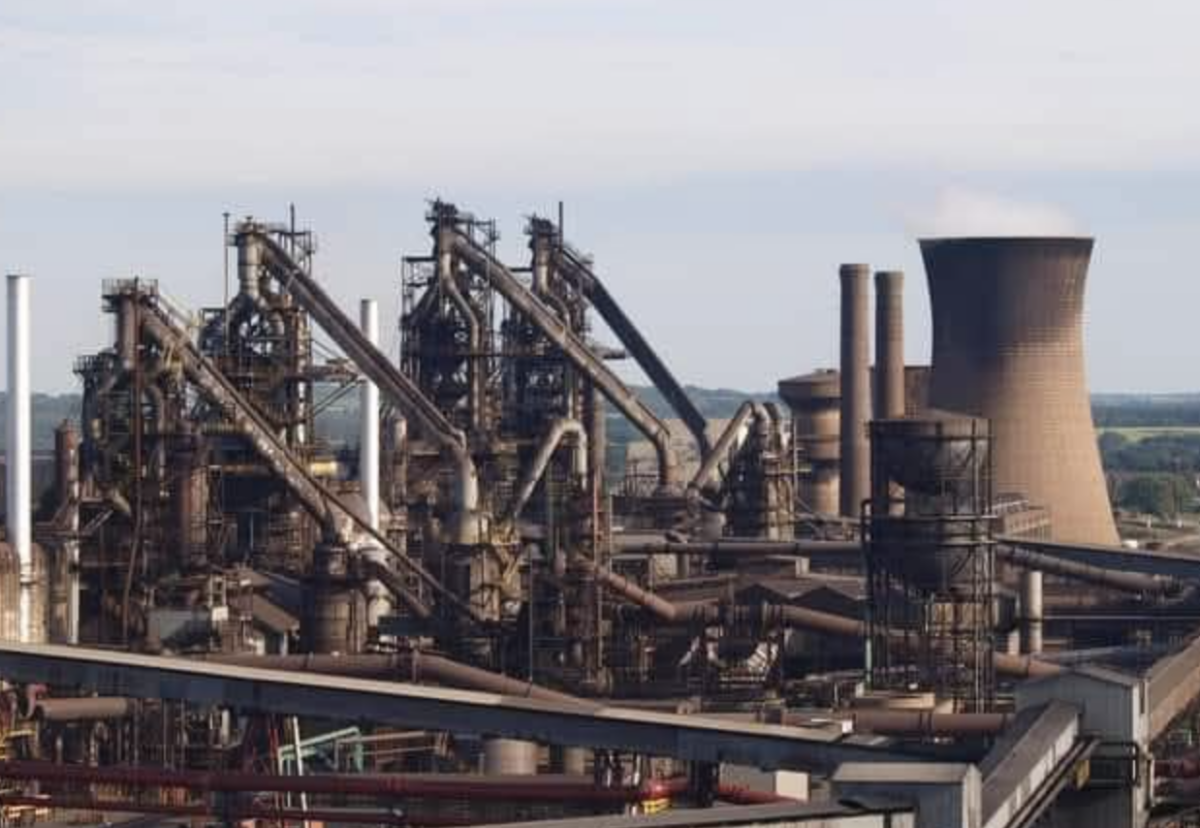
The move follows the collapse of talks to secure a commercial sale of the Scunthorpe steelmaker from Chinese owner Jingye.
Under the proposed legislation, the Government would gain powers to nationalise British Steel if a public interest test is met, with ministers arguing the move is needed to protect national security, safeguard strategic steelmaking capability and avoid disruption to UK supply chains.
The decision opens the way to progress a strategic investment plan to build a new electric arc furnace at Scunthorpe to allow British Steel to produce greener steel.

At present many of the Government’s key spending departments are demanding green steel for schools, prisons and major infrastructure even though British Steel cannot supply such a product.
This is in glaring contradiction with Whitehall’s aim to support the UK steel industry with a buy British Policy and plans to slap new tariff’s on imported steel from 1 July.
Starmer said: “Steel is strategically important to our economy and our national resilience.

“That’s why we acted last year to avoid a sudden halt to production at Scunthorpe, protecting workers and the community that depend on the site, and why we’re now bringing forward legislation to give us options to protect Britain’s steelmaking capability.”
He added: “This is what an activist state looks like – taking decisions in the national interest.”
The Government stepped in last April under the Steel Industry (Special Measures) Act after fears Jingye planned to shut Scunthorpe’s blast furnaces.
Ministers seized operational control of the works to prevent a shutdown that would have left the UK without the ability to produce virgin steel.

Jingye had warned the plant was losing around £700,000 a day and was no longer financially viable.
Business Secretary Peter Kyle said ministers had continued talks with the current owner but no acceptable commercial deal could be reached.
He said: “Strong domestic steel production is vital for our economy, and this legislation would allow us to ensure stability for British Steel’s workers, suppliers and customers and avoid damaging disruption to crucial supply chains, while we consider options for the site’s future.”
The legislation is being framed as part of Labour’s wider Steel Strategy, launched in March, which aims to rebuild domestic production capacity and meet up to 50% of UK steel demand from British manufacturers.
.png)
Fresh analysis by Oxford Economics underlined the wider industrial stakes around the Scunthorpe works.
The report found British Steel directly and indirectly supports £1.1bn in GDP and more than 20,000 jobs across the UK through its operations and supply chain.
Its products were also found to underpin a further £9.8bn of economic activity and support 142,000 jobs across construction, rail, manufacturing and infrastructure sectors.
In the North of England alone, British Steel supports £680m in GDP and 13,700 jobs, according to the study.
Industry body UK Steel welcomed the move, saying it brought “vital certainty” for the workforce and customers, while warning ministers now needed to set out a long-term investment strategy for the sector.


















.gif)