





Unite Group chief executive Joe Lister said higher build costs, tighter regulation and weaker investment values meant new projects no longer stacked up in most regional markets, with developers now needing rents above £300 a week to justify construction outside London.
That compares with Unite’s current average weekly rent of £190 in those markets.

Lister warned the same pressures were also hitting the Build-to-Rent sector.
He said: “New supply of student accommodation will slow significantly over the next two to three years, and we see the same challenges impacting the Build-to-Rent sector.”
The warning comes despite Unite forecasting continued growth in demand, with fewer new developments, older student blocks leaving the market and private landlords exiting the HMO sector expected to tighten supply further.
.gif)
Unite said it remained committed to just 1,653 off-campus beds under construction, at Hawthorne House in Stratford and Central Quay in Glasgow, while reviewing options for planned schemes of a further 2,400 consented beds in London and Bristol, including disposal or bringing in third-party funding.
The company is instead focusing future growth on university on-campus partnerships, with a further 4,311 beds committed through joint ventures at Castle Leazes in Newcastle and Cambridge Hall in Manchester.
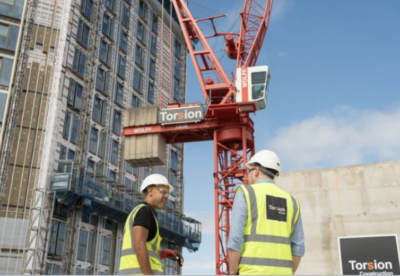
Construction has completed on the 719-bed Hawthorne House scheme in Stratford, although occupation is awaiting Building Safety Regulator approval ahead of opening for the 2026/27 academic year. The 934-bed Central Quay project in Glasgow remains on course for completion in 2027.

Alongside the slowdown in new development, Unite is accelerating a major portfolio reshaping programme, bringing the majority of 15,000-20,000 beds identified for disposal to market this year as it concentrates investment around the UK’s strongest universities.
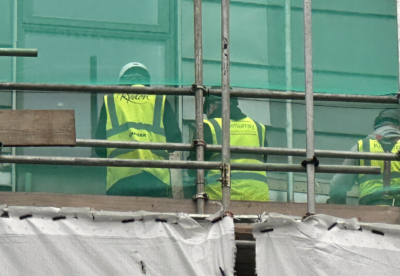
The group also revealed it expects to spend a further £61m on fire safety remediation over the next two years. Unite said it expected to recover 50-75% of total cladding remediation costs through claims from contractors, although the settlement and recognition of these claims is likely to lag costs incurred to remediate buildings.














.JPEG)



.png)